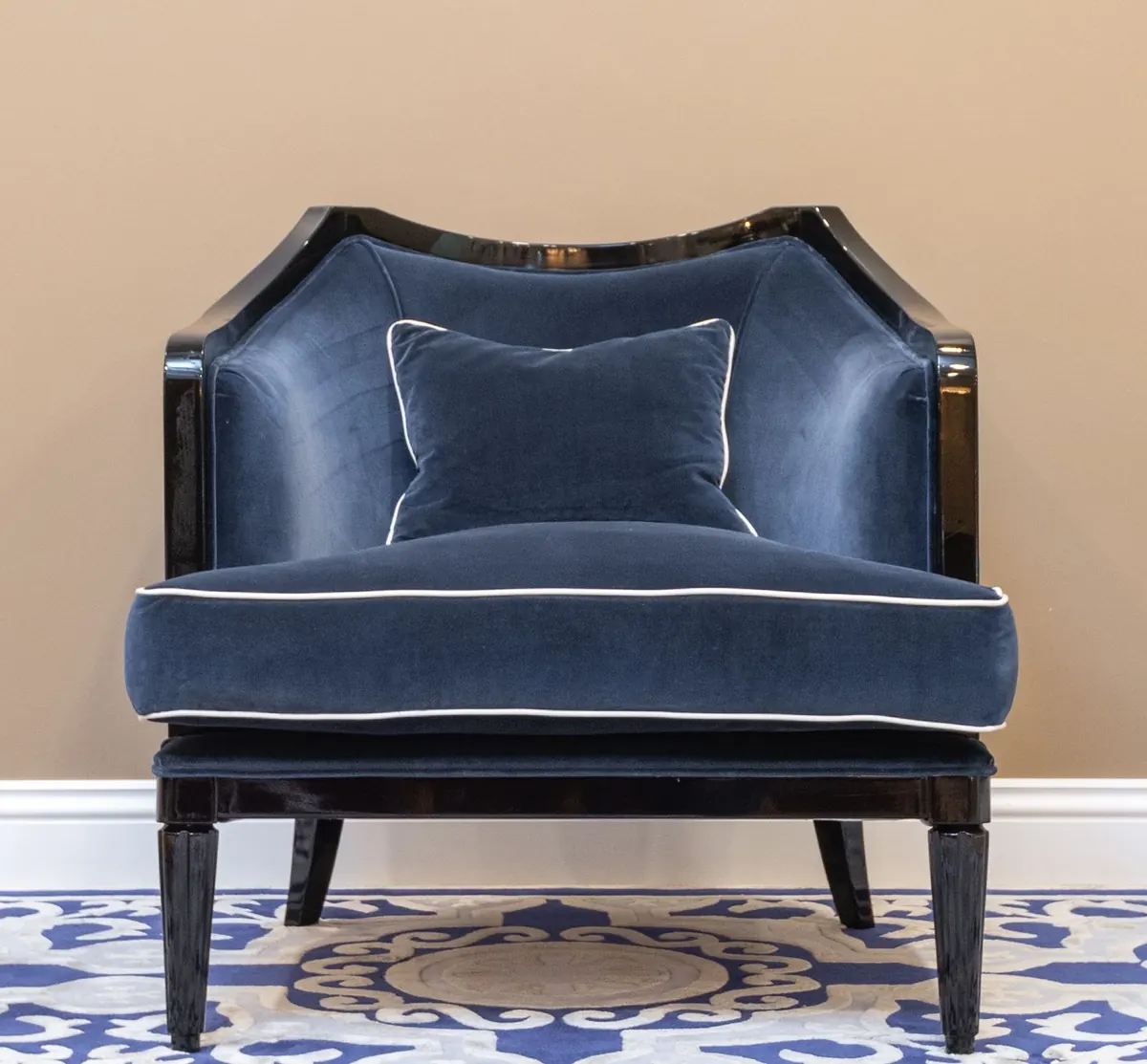
How to Remove Crushed Marks from Velvet Upholstery
Crushed velvet pile isn't permanent. If your velvet sofa, chair, or ottoman has flattened patches where people sit, pets nap, or furniture presses, the fibers are usually bent rather than destroyed. Velvet gets its luxurious look from a dense pile, a surface of tiny upright threads. When those threads are crushed, light reflects differently, creating a darker or shinier mark. The good news is that with gentle steam, the right brush, and a little patience, you can often lift the pile and make those marks disappear.
This guide explains how to remove crushed marks from velvet upholstery safely, including methods for stubborn creases, tips for different velvet fibers, and prevention habits that keep the nap looking fresh. Always check your furniture's care tag first, and test any method on a hidden area before treating the visible surface.
What Causes Crushed Marks on Velvet?
Crushed marks happen when pressure bends the pile in one direction. Common causes include:
- Sitting in the same spot on a sofa or chair
- Pets lying on cushions
- Heavy pillows, blankets, or boxes resting on the fabric
- Furniture legs or vacuum cleaner attachments pressing into the pile
- Dampness followed by pressure, which can set a crease more firmly
- Heat from sunlight or radiators, which may make some synthetic fibers more prone to flattening
The mark may look like a stain, but often it is just pile direction. Run your hand over the area. If the fibers feel bent rather than sticky or soiled, it is likely a crush mark. If the fabric is sticky, discolored, or smells, treat it as a stain or spill first. Steaming a stain can set it deeper into the fabric.
Before You Start: Gather the Right Tools
Using the wrong tool can make velvet look worse. A stiff brush can scratch the pile, and too much water can leave rings. For most velvet upholstery, you need:
- A soft-bristle velvet brush or upholstery brush
- A handheld clothes steamer or garment steamer
- A spray bottle filled with distilled water
- Clean white microfiber cloths or towels
- A vacuum with a brush attachment or upholstery nozzle
- A mild upholstery cleaner or velvet-specific cleaner, if needed
- An iron and a clean towel, only for fabrics whose care tag allows low heat
Distilled water is better than tap water because it avoids mineral deposits that can leave spots. If your velvet is viscose, rayon, or silk, be especially careful with moisture and test first.
Step-by-Step: How to Lift Crushed Marks
- Check the care tag and test a hidden spot. Look for codes like W, S, WS, or X. W means water-based cleaners are safe. S means solvent-based cleaners only, so avoid water and steam. WS means either is safe. X means vacuum only. If the tag says S, dry clean only, or you are unsure, do not steam; consult a professional. Test steam and brushing on the back or underside of the furniture.
- Vacuum gently in the direction of the nap. Remove loose dust and grit before steaming. Use a brush attachment with light pressure. Brushing against the nap can roughen the surface, so follow the natural direction of the velvet. If you do not know the nap direction, brush with the smooth direction, the way the fabric feels sleek under your hand.
- Steam the area lightly. Hold the steamer several inches away from the fabric and move it continuously. Do not let the fabric become wet. The goal is to warm the fibers so they relax, not to soak the cushion. For small marks, pass the steamer over the area for 10 to 20 seconds, then check the result.
- Brush the pile back into place. While the fabric is still warm and slightly damp, use your soft brush. Use short, gentle strokes in the direction of the nap. If the mark is stubborn, brush in different directions very lightly to lift the fibers, then finish by smoothing them in the correct direction.
- Let the area dry completely. Air dry away from direct heat and sunlight. Do not sit on the cushion or place anything on it until it is fully dry. A fan on low can speed drying, but avoid a hair dryer or space heater.
- Repeat if needed. Old or deep crush marks may need two or three sessions. Wait until the fabric is completely dry before deciding whether to steam again.
Work with the nap, not against it. Velvet is like a cat's fur: smooth in one direction, rough in the other. Once you find the smooth direction, every brush stroke should follow it.
For example, imagine a velvet armchair with two dark patches on the seat cushion. After vacuuming, a 15-second steam pass, and light brushing with the nap, the patches may fade by half. After the cushion dries and you repeat the process, the pile can look nearly uniform again. The key is not force. It is repeated gentle persuasion.
Method for Stubborn or Set-In Crush Marks
If steam and brushing are not enough, try the towel-and-iron method, but only on velvet that can tolerate heat. Set your iron to its lowest setting and turn off the steam. Place a clean white towel over the crushed area. Press the iron briefly onto the towel, lift it, and check the fabric. Do not slide the iron. Do not hold it in one place. The towel protects the velvet from direct heat. After each press, brush the pile gently. If you see any shine, scorch, or change in texture, stop immediately.
For removable velvet covers, check the care label before washing. Some polyester velvet covers can be hand washed in cool water and air dried, but many upholstery velvets cannot. Machine washing and hot drying can permanently crush or shrink the pile. If the cover is not removable, never submerge the cushion in water. Excess moisture can damage the padding and cause mildew.
How to Treat Different Velvet Types
- Polyester velvet: Usually durable and forgiving. It often responds well to light steam and brushing.
- Cotton velvet: Can be sensitive to water and heat. Use minimal steam and dry quickly.
- Rayon or viscose velvet: Beautiful but prone to water spots. Use distilled water sparingly and consider a professional for large marks.
- Silk velvet: Delicate and expensive. Steam only if the care tag allows, and preferably let a pro handle it.
- Mohair velvet: Durable with a deep pile. Use a soft brush and low steam, and avoid matting the fibers.
Prevention: How to Keep Velvet from Crushing Again
Once you have restored the pile, a few habits can help it stay lifted:
- Rotate and fluff cushions weekly so pressure is spread evenly.
- Vacuum gently in the nap direction every week or two.
- Use a velvet brush to lift small flattened spots before they become set.
- Avoid leaving heavy objects on velvet for long periods.
- Keep pets off favorite seats, or place a washable throw where they rest. Remove the throw when guests visit so the velvet can breathe.
- Keep the room at a stable humidity. Very damp or very dry air can affect natural fibers.
- Protect velvet from direct sunlight, which can fade color and make some fibers brittle.
If you have a high-traffic sofa, consider professional upholstery protection or a fabric protector designed for velvet. Always test any product on a hidden area first.
Common Mistakes to Avoid
- Scrubbing hard with a stiff brush, which can permanently rough up the pile.
- Soaking the fabric with water or steam.
- Ironing directly on velvet without a towel.
- Using bleach, vinegar, or random household cleaners without checking the care tag.
- Brushing against the nap and leaving the surface looking patchy.
- Using a hot hair dryer or space heater to speed drying.
- Treating a stain as a crush mark. Clean stains first with a suitable method.
When to Call a Professional
Some velvet marks are beyond a home fix. Call a professional upholstery cleaner if the fabric is silk, antique, or dry-clean only; if the mark is from a burn, melting, or chemical damage; if the velvet has water rings or widespread staining; or if you have tried gentle steaming and brushing without improvement. A pro can use dry solvents, controlled extraction, and specialized tools that are safer for delicate fibers. For valuable furniture, the cost of professional care is often less than the cost of replacing ruined upholstery.
Frequently Asked Questions
Can crushed velvet be fixed? Yes, in most cases. If the fibers are bent but not worn, melted, or broken, steam and brushing can restore much of the original look. Deep or old marks may improve rather than vanish completely.
Does steam ruin velvet? Too much steam or moisture can. Use short passes, keep the steamer moving, and let the fabric dry fully. For viscose, rayon, and silk, be extra cautious.
How long does it take to remove crush marks? Small marks may lift in one 10-minute session. Stubborn marks can take several sessions over a few days.
Can I use a hair dryer? No. Hot, dry air can set creases and damage the pile. Air dry naturally instead.
What if the mark is still there after drying? Wait until the fabric is completely dry, then repeat the steam-and-brush method. If it still remains, the fibers may be permanently bent or the mark may actually be a stain. Consider a professional assessment.
Final Thoughts
Crushed velvet pile isn't permanent. With a soft brush, light steam, and patience, most flattened patches can be lifted back into a smooth, luxurious nap. Start gently, work with the nap direction, and give the fibers time to relax. Prevent future marks by rotating cushions, vacuuming carefully, and keeping heavy pressure off the fabric. If the velvet is delicate or the mark refuses to budge, a professional upholstery cleaner can help you decide whether to treat, restore, or reupholster. In many cases, though, the velvet you thought was ruined simply needs a little warmth and a gentle touch.
Photo: Max Vakhtbovych / Pexels